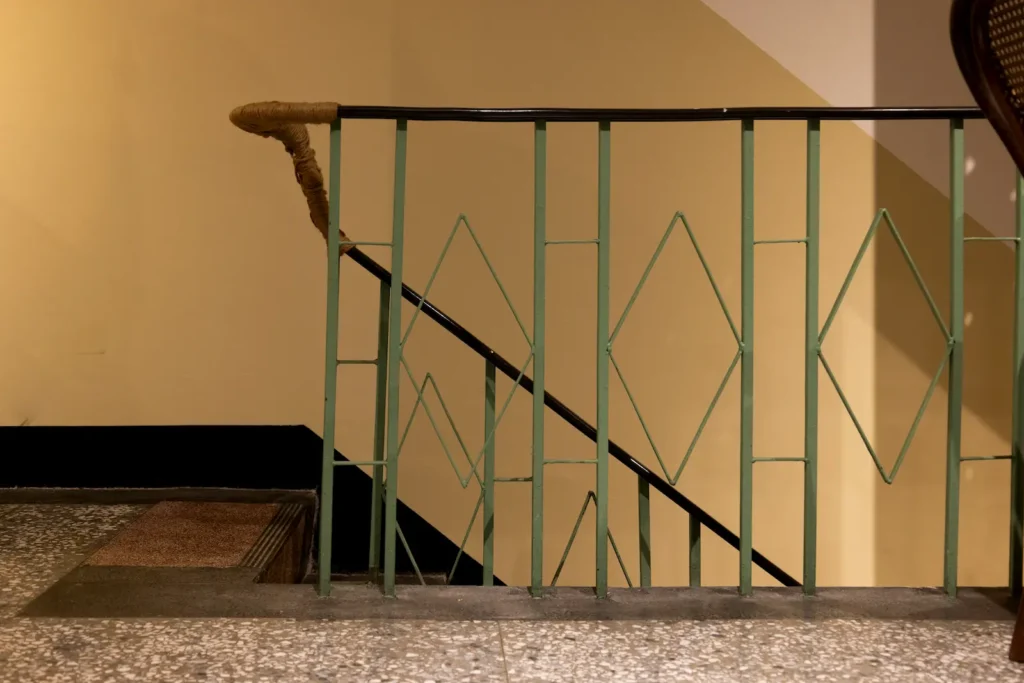
What Are Community Fees in Spain? (And What I Pay for My Flat in Elche)
If you’re buying an apartment or flat in Spain, there’s one ongoing cost that doesn’t always make it into the headline figures: community fees, known in Spanish as gastos de comunidad. Here’s what they are, what they cover, and what I actually pay.
What are community fees?
Any property that forms part of a shared building or development in Spain will belong to a comunidad de propietarios — a community of owners. This is a legal entity that exists to manage and maintain the shared parts of the building: the entrance, stairwells, lifts, communal gardens, exterior walls, roof, and so on.
Every owner in the building pays a regular fee towards these costs. That’s your gastos de comunidad — community fees.
They’re not optional. As a property owner you automatically become a member of the community and are legally obliged to contribute.
What do community fees cover?
The exact breakdown varies by building, but typically includes maintenance and cleaning of communal areas, building insurance (note: this covers the structure of the building — you’ll still need your own landlord insurance policy), lift maintenance if there is one, gardening or pool upkeep if applicable, administration costs, and a reserve fund for larger future repairs.
Who manages it?
Each community elects a president — usually a rotating role among owners — and may appoint a professional building administrator (administrador de fincas) to handle the paperwork, accounts, and coordination.
In my building in Elche, the administrator happens to be my neighbour on the same floor. I met her when I visited the property after completion, and she made an immediate impression. A mum of two, completely on top of everything — she’d already organised an interior repaint of the building and was clearly the go-to for anything the place needed. Knowing who manages your community, and that they’re good at it, is genuinely reassuring when you’re an overseas landlord.
I set up a standing order directly to the community account and made sure she had my contact details — separate from my property management arrangement. It means she can come to me directly if anything comes up, rather than messages getting lost in a chain. When you’re managing a property remotely, that kind of direct rapport is worth a lot.
How much are community fees in Spain?
Fees vary enormously depending on the building size, location, facilities, and condition. A large development with a pool, gardens, and a lift will cost significantly more than a small urban apartment block.
As a rough guide, small urban apartment buildings typically run €30–€100/month, while larger developments with facilities can reach €100–€300/month or more.
For my flat in Elche — a small building of just eight apartments, no lift, no pool, in a residential street — I pay €20 per month (€240 per year). It’s on the lower end, which reflects both the modest size of the building and the no-frills communal setup. There’s no pool to maintain, no garden team on contract — just a well-run small building with a capable administrator keeping things ticking over.
Community fees are one of several ongoing costs worth factoring in from day one — I’ve covered all of them together in my annual cost of owning a Spanish property guide.
How are fees calculated?
Your share of the community fees is usually proportional to your property’s coeficiente — a coefficient that reflects the size of your flat relative to the whole building. Larger flats pay more; smaller ones pay less. This is set out in the building’s founding documents (escritura de división horizontal) and isn’t something you can negotiate.
When and how do you pay?
Payment frequency varies — some communities bill monthly, others quarterly or annually. It’s usually set up as a direct debit from your Spanish bank account, which is another good reason to have one in place before completion.
If you’re managing your property remotely, your gestor or property manager can keep an eye on payments for you.
What happens if you don’t pay?
Non-payment of community fees is taken seriously in Spain. The community can pursue unpaid fees through the courts, and persistent non-payment can result in a charge being registered against the property. It can also complicate any future sale.
When buying, always ask for a certificate confirming the property has no outstanding community fee debts — your notary should request this as standard, but it’s worth checking.
The bottom line
Community fees are a fact of life for apartment owners in Spain and should be factored into your annual cost projections from day one. At €20/month mine are very manageable, but they can be significantly higher depending on the building — always ask what the current fees are before you buy, and ask to see the community’s accounts if you can. It tells you a lot about how well the building is being run.